Do I need a licence?
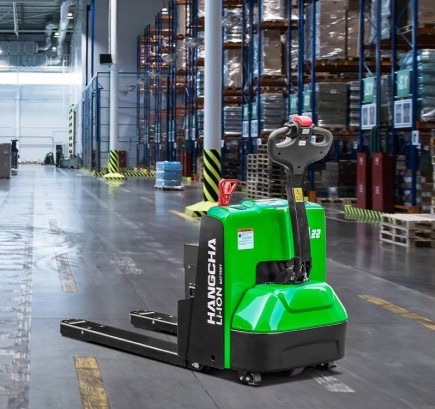
No — manual jacks and pedestrian-operated electric walkies don't need the LF forklift licence. Operators still need basic training and common sense, but there's no ticket barrier, which is exactly why warehouses hire them for casual staff periods.
Manual or electric?
Manual for occasional moves on flat floors. Electric the moment there's distance, ramps, or a full day of shifting — powered drive saves backs and time. If the dock has a slope, go electric; manual jacks and ramps are a bad combination.
Will it work on rough ground?
Standard jacks want smooth concrete — small nylon wheels and gravel don't mix. All-terrain pallet trucks with big wheels exist for yards and pavers; ask if your floors are rough.
Can it lift pallets onto racking?
A walkie stacker can — it's the licence-free way to reach the first couple of rack levels. Higher and heavier is forklift territory.
What pallet types fit?
Standard forks suit Australian hardwood pallets; closed-bottom and Euro pallets can argue with some jacks. Mention odd pallets when you book and we'll send the right fork profile.
How fast can one arrive?
They're small and everywhere — same-day is common inside metro Sydney when you call in the morning.
 Product photo